BLOG POSTS
Comparison Isn't the Thief of Joy
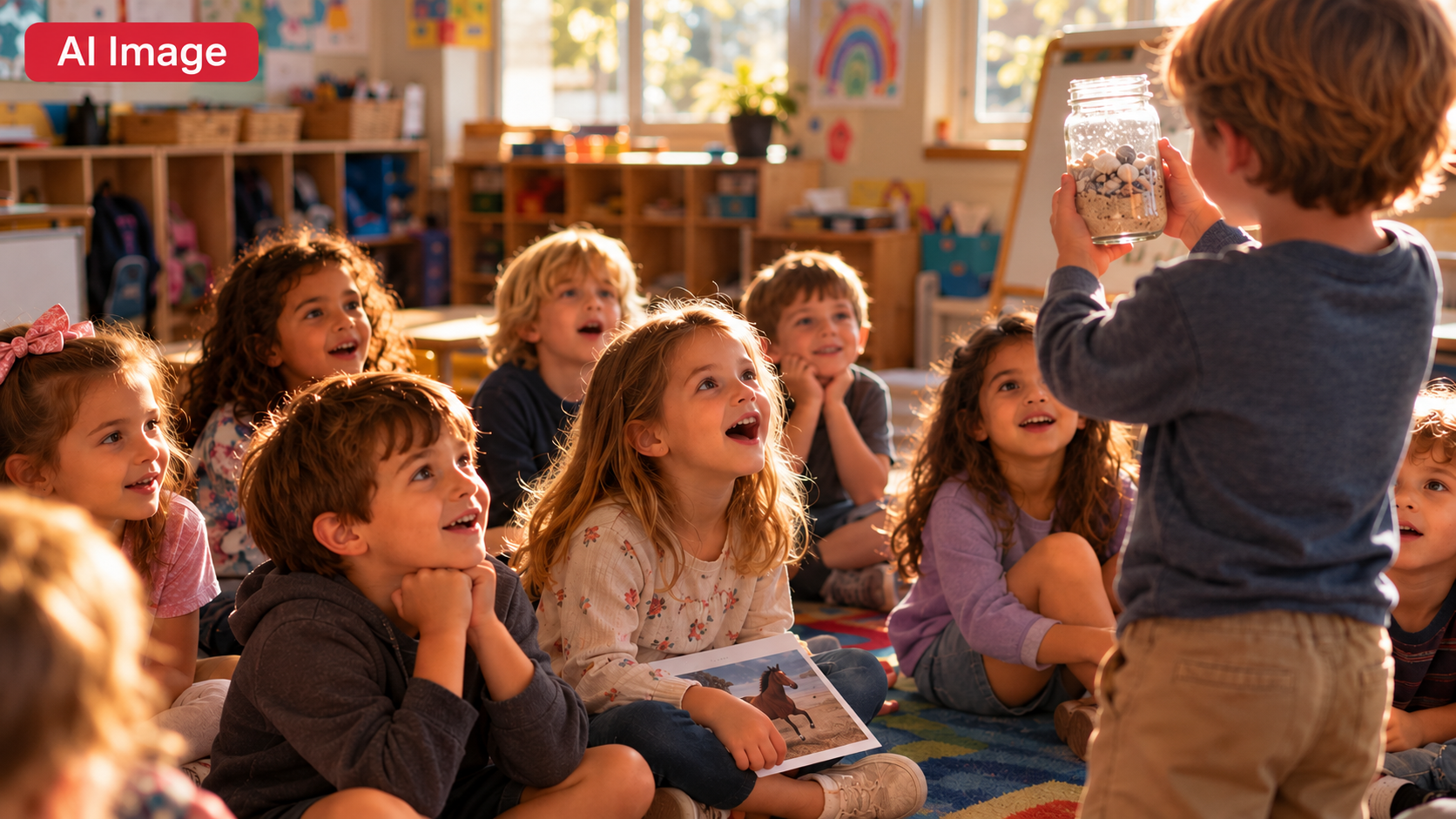
Theodore Roosevelt never said it, and the research says comparison was never the problem. The belief that shows up right after it is. What kindergarteners at show-and-tell know that adults forget, and the one word that changes what the comparison means.

What Is a Living Lucky® Salon? And Why?
We handed out nearly forty invitations to a salon, and people asked if they were getting their nails done. What a salon actually is, why Gertrude Stein's Saturday nights still matter, and the one question that replaces "what do you do."

How Lucky Am I? — The Question That Started All of This.
If you’ve read all twenty of these blogs, thank you. Not because we needed you to, but because it means something in you was ready to hear this. Ready to examine the stories you’ve been telling.
Ready to ask better questions. Ready to bet on yourself.
If this is the first blog of ours you’ve read, welcome. Start anywhere. Start with Blog 01 and the science of the RAS. Start with Blog 06 and the rehab lobby. Start with Blog 12 and the formula itself. Or start right here, right now, with the one question that has outlasted every framework and every certificate and every grand plan Jana and I have ever made.
Write it down. By hand. Today.
See what your brain finds.
And then come back tomorrow morning and ask it again.
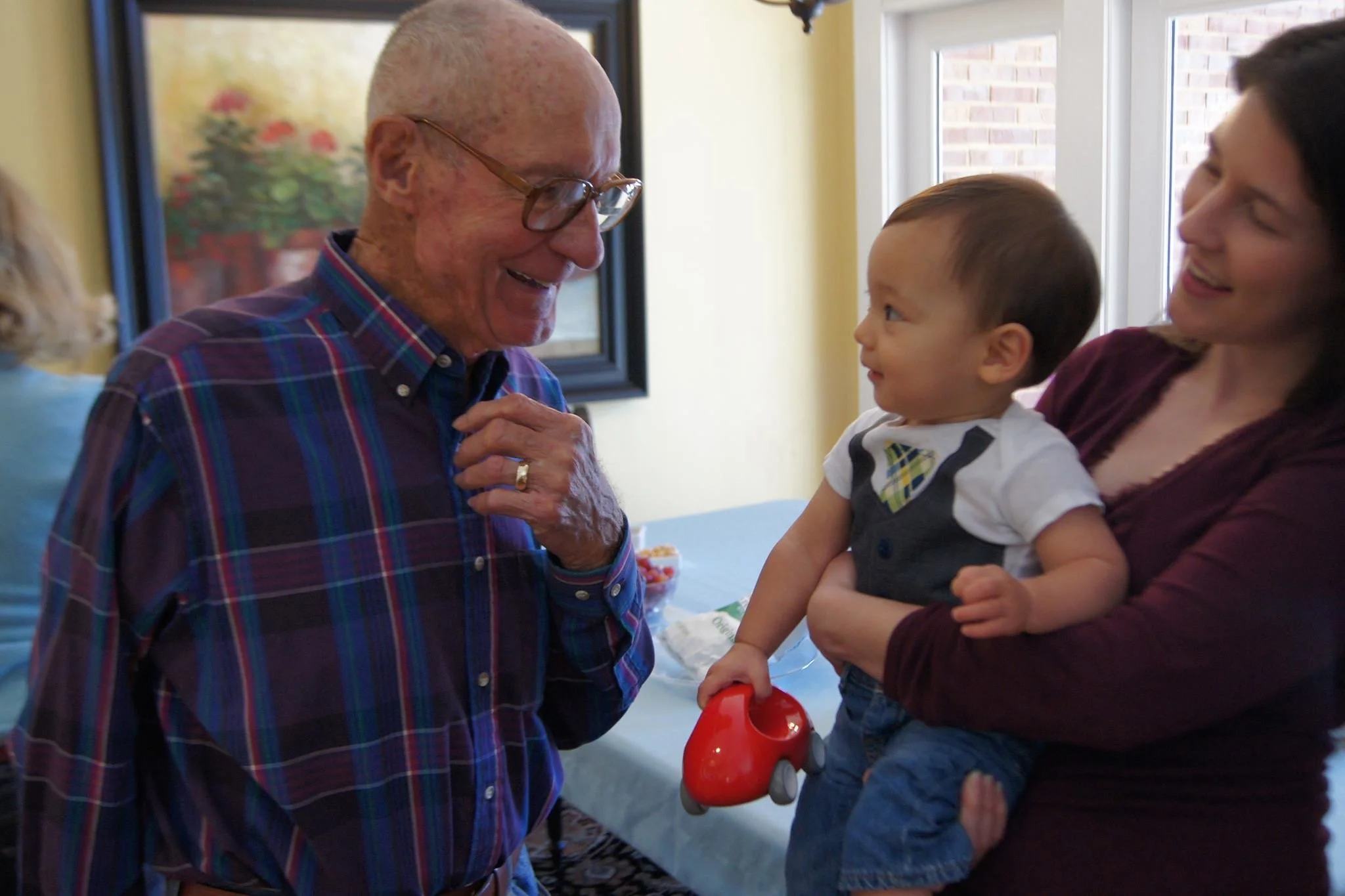
Jason’s Grandfather (Papa) Said the Same Word Every Single Morning. It Stuck.
His name was Rooster.
I don’t know the exact origin of the nickname. I just know that’s what everyone called him, that it suited him completely, and that no one who ever met him forgot him. My grandfather was the kind of person who changed the temperature of a room just by walking into it. Not because he was loud or demanding, though he could certainly hold a room. But because of the energy he brought.
Every single time. As if he’d decided somewhere along the way that walking through a door was an opportunity worth taking seriously.
Every morning, without fail, Rooster woke up and said the same thing.
“Boy, do I have Enthusimatism!”
Not enthusiasm. Not optimism. Enthusimatism.

Four Questions. Four Minutes.Here’s Exactly How It Works.
In the eleven blogs before this one, we’ve covered the science, the stories, the cost of not doing this, and the philosophy behind why it works. If you’ve been reading along, you already understand more about how your brain operates than most people ever will. You understand the RAS. You understand the compounding effect. You understand what unexamined days cost and what intentional ones build.
So here it is. The whole formula. Right up front. No more buildup.
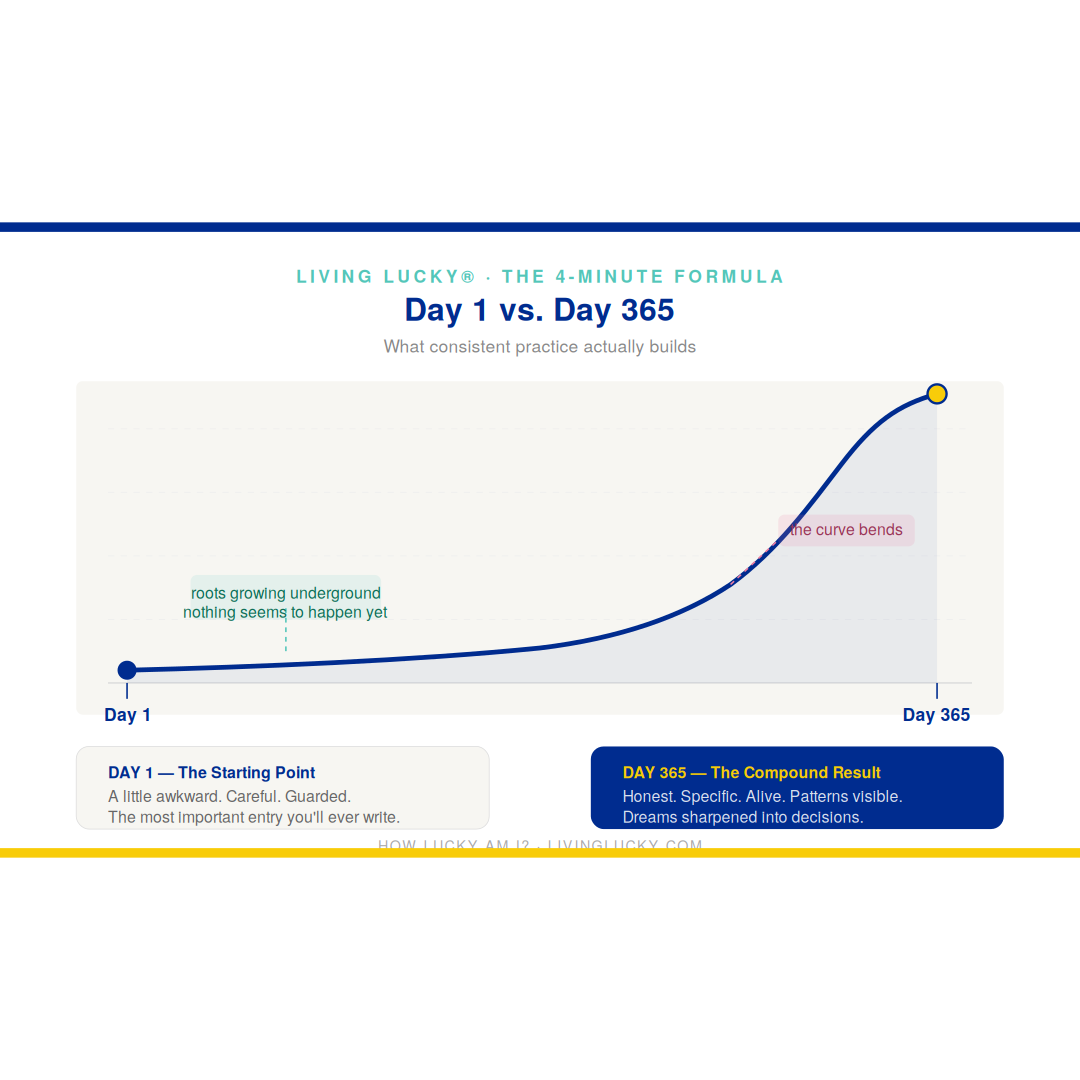
Day One Versus Day 365: What a Year of This Actually Looks Like
Here’s the thing about compound interest that most people understand in theory but underestimate in practice: the growth isn’t linear.
The first weeks of any practice feel almost imperceptibly small. You write your four questions, you go about your day, and it’s hard to point to something specific that changed. This is where most people quietly stop. Not with a dramatic decision to quit — just a morning where they skip it, and then another, and then the journal ends up in the drawer.
What they didn’t know is
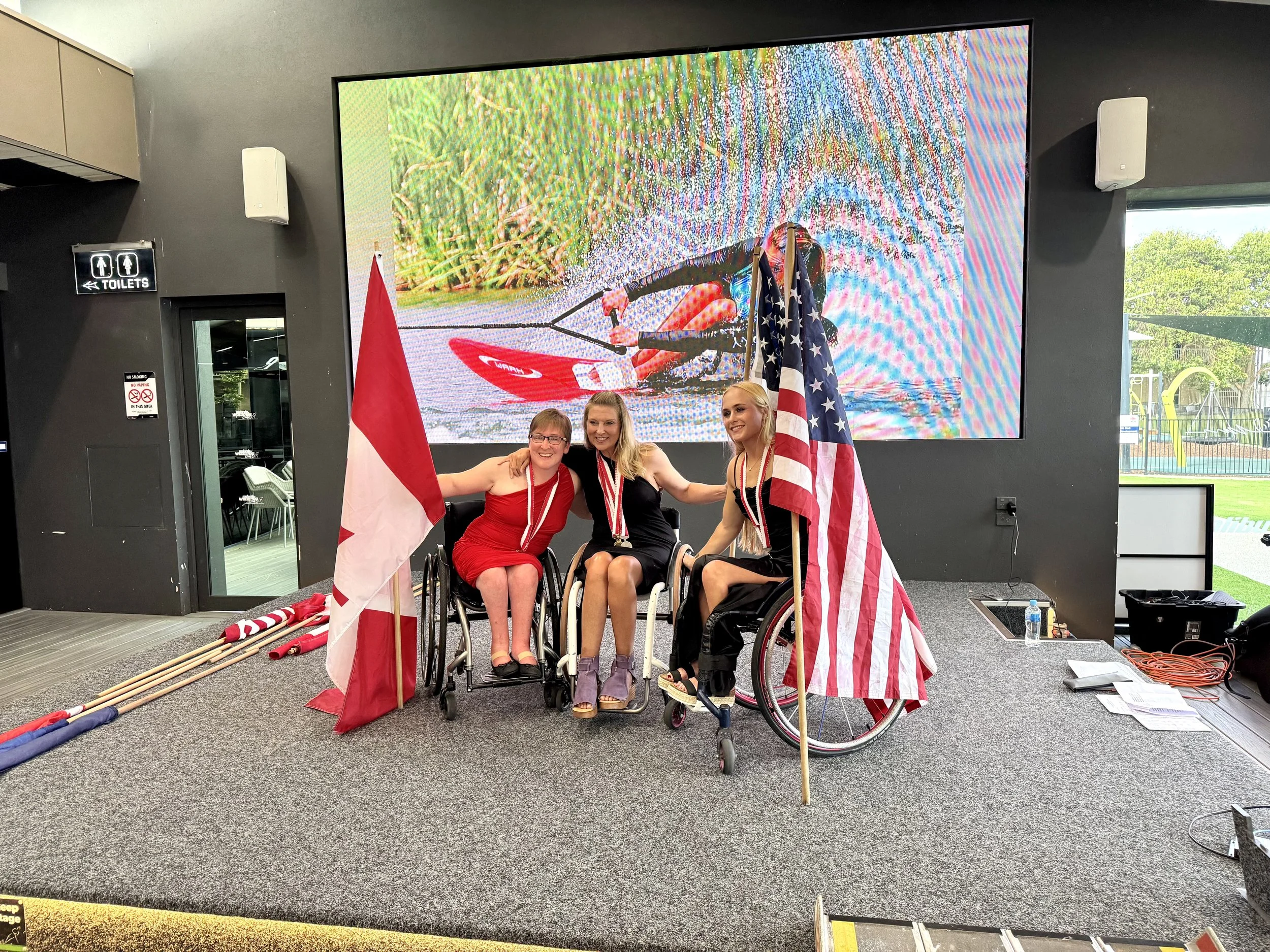
From Last Place to World Champion in 14 Months — Here’s the Part People Miss
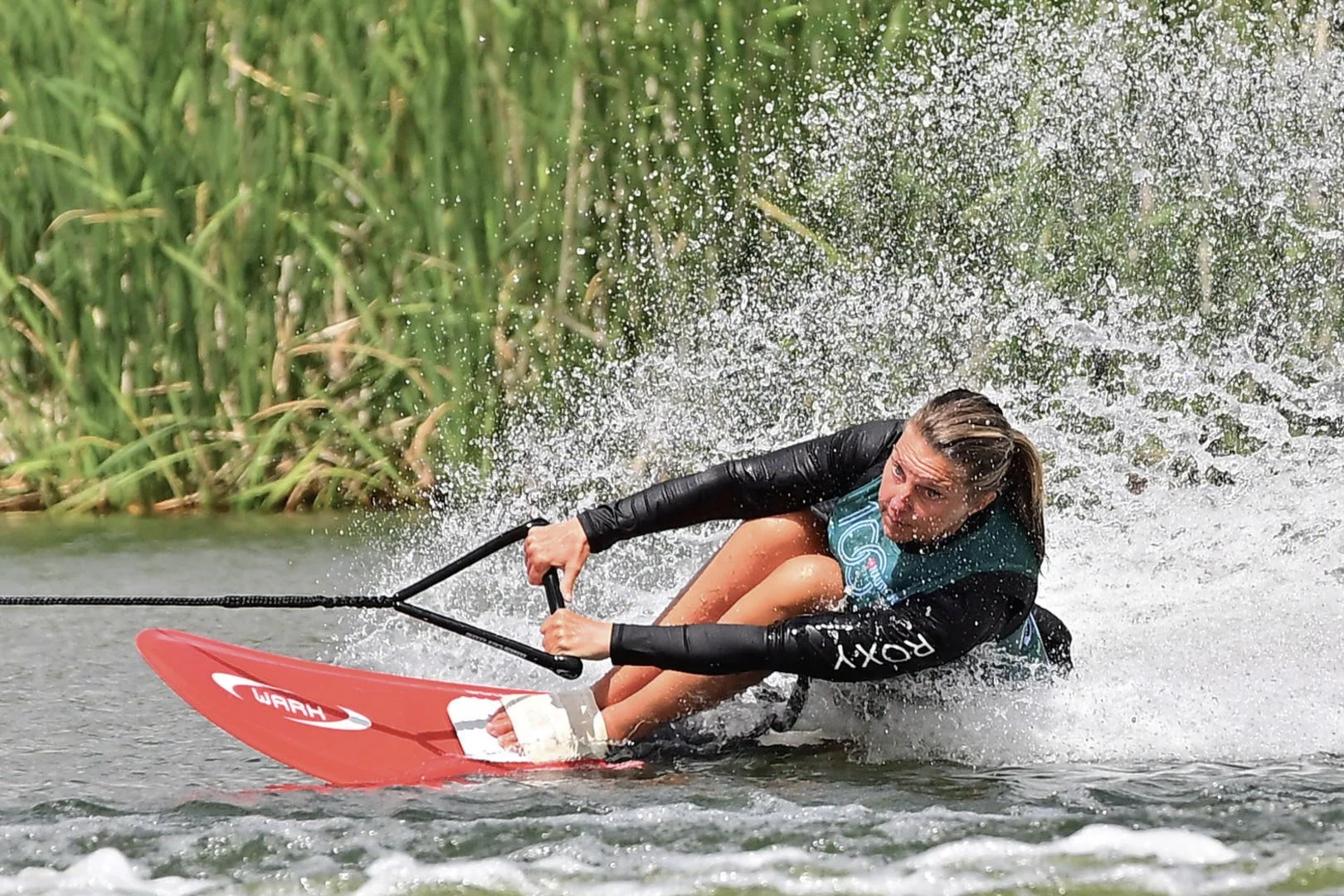
In September 2024, at 49 years old, Jana entered her very first adaptive water ski competition.
She had been paralyzed for over three decades. She had won Paralympic gold. She had competed on the world stage in basketball. And she had never, not once, competed in adaptive water skiing.
She finished last. Not a close last. Last
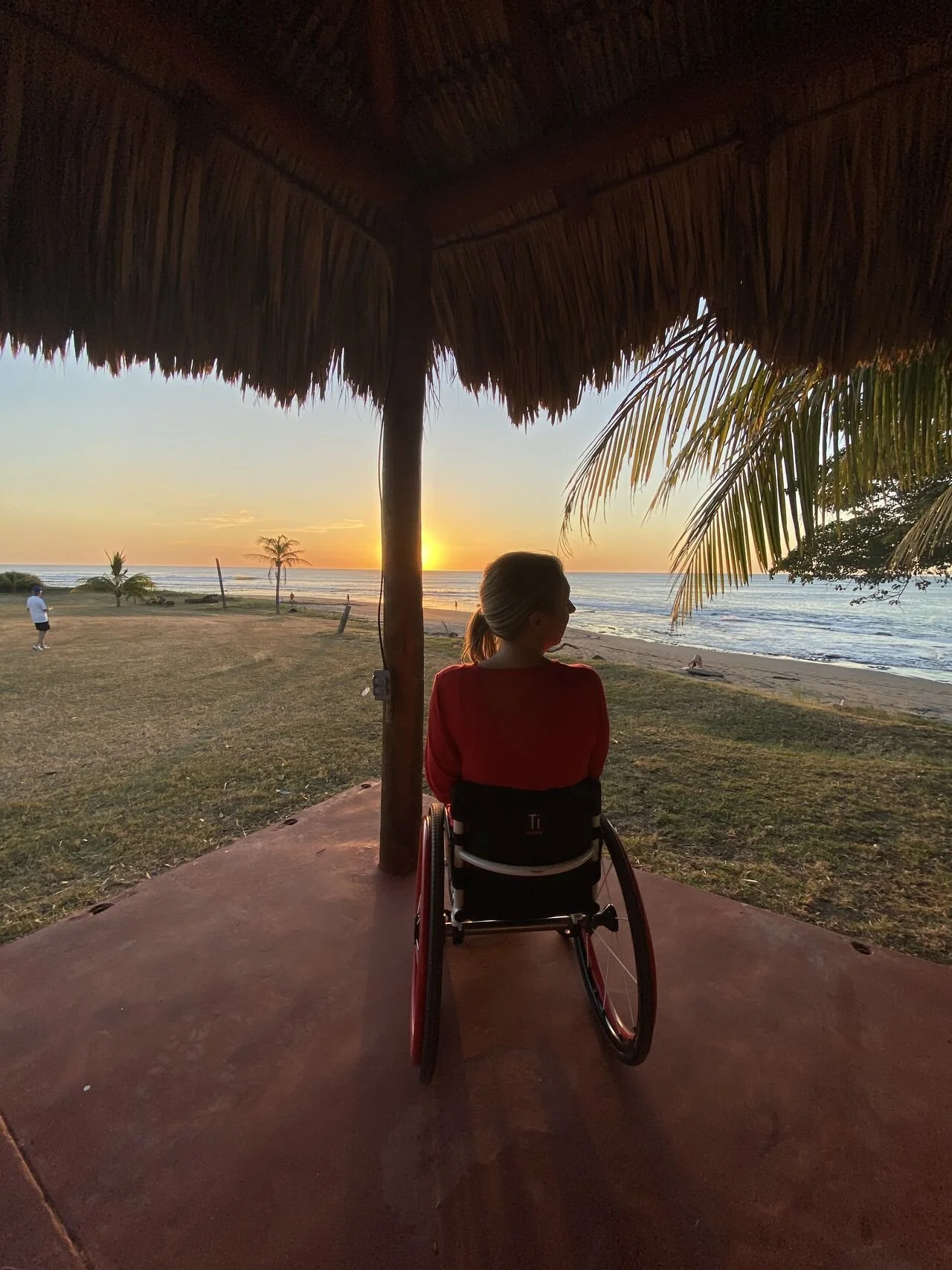
What If You Could Be Grateful for the Hard Stuff Too?
There is a concept in psychology called post-traumatic growth — the idea that people who experience significant hardship often report not just recovering, but growing beyond where they were before. More resilient. More empathetic. Clearer about what matters. More willing to take risks because they’ve already survived the thing they were most afraid of.
The research on this is substantial and it keeps pointing to the same thing: the people who experience the most growth after adversity are not the ones who suffered the least. They’re the ones who found meaning in what they went through. Who asked not just “why did this happen to me” but “what did this make possible?”
The Night Jana Wrote Four Words That Changed Her Whole Life
On May 23rd, 1990, Jana was a teenager living a full, active life in rural Kansas when a car accident changed everything in an instant. She was paralyzed from the chest down. At 15 years old, in a moment she didn’t choose and couldn’t have prepared for, the life she had known was completely rearranged.
For weeks, Jana was somewhere in that mix. Fifteen years old. Trying to make sense of something that didn’t make sense. And every night, she cried herself to sleep.
Every night. Until one night she didn’t.

Gratitude Isn’t a Buzzword. Here’s What It ActuallyDoes to Your Brain.
We know, we know. You've heard "just be grateful." But what if gratitude wasn't a feeling you waited for — what if it was a switch you could flip? Turns out, there's a lot of research on exactly that.

Why Writing by Hand Does Something Typing Never Will
You could type your thoughts. You could voice-memo them. But when your hand moves across a page and forms a word, something different happens in your brain. Science has a name for it. We just call it feeling it.