BLOG POSTS
The Skeptic’s Guide to WhyJournaling Actually Works
The research on journaling is not soft. It is not the product of wellness culture or self-help optimism. It comes from peer-reviewed studies published in serious academic journals, replicated across populations, measuring outcomes that skeptics care about: immune function, cortisol levels, doctor visits, cognitive performance, emotional regulation, goal achievement, and recovery from adversity.
Let’s go through the strongest findings.
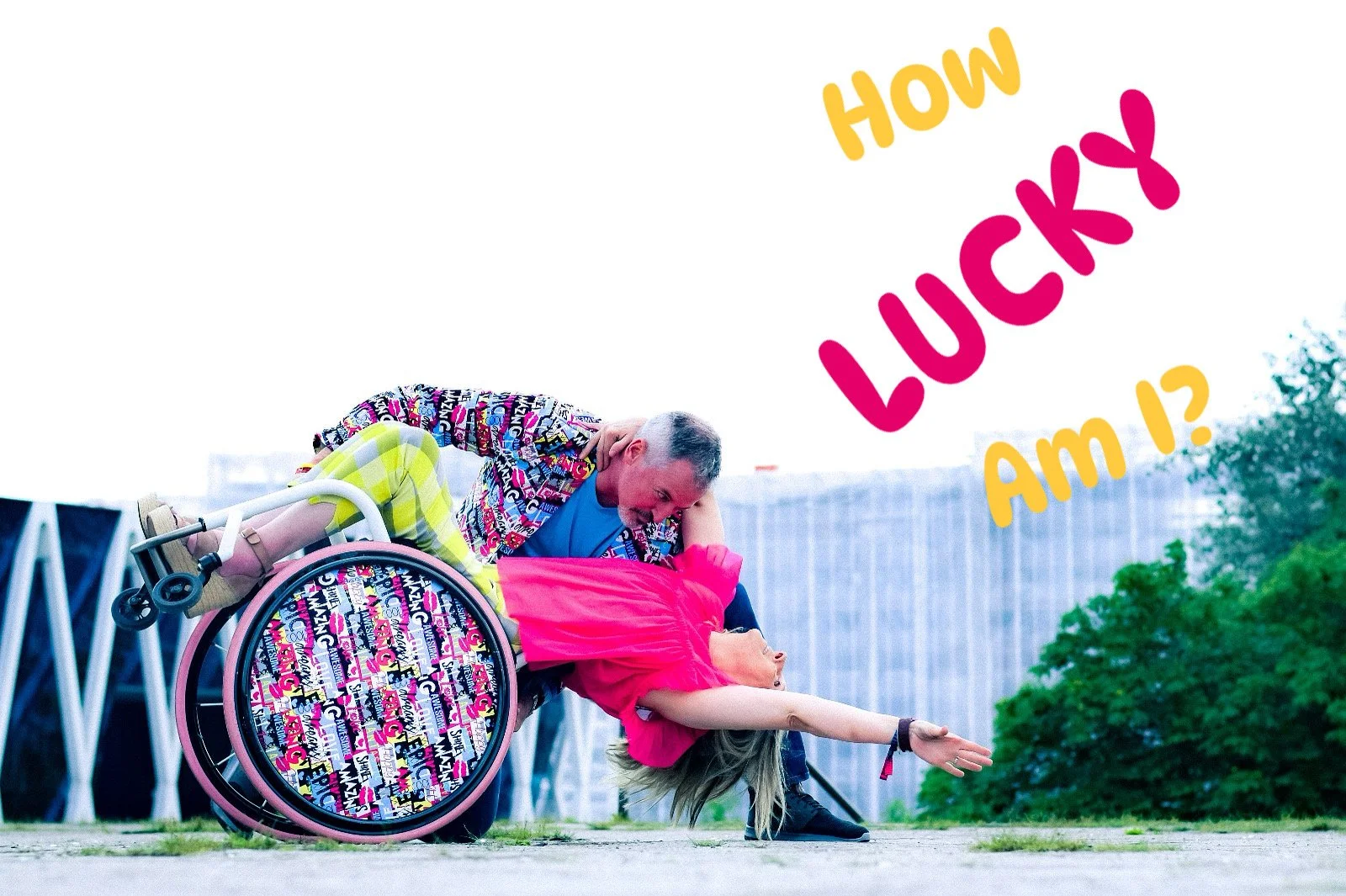
How Lucky Am I? — The Question That Started All of This.
If you’ve read all twenty of these blogs, thank you. Not because we needed you to, but because it means something in you was ready to hear this. Ready to examine the stories you’ve been telling.
Ready to ask better questions. Ready to bet on yourself.
If this is the first blog of ours you’ve read, welcome. Start anywhere. Start with Blog 01 and the science of the RAS. Start with Blog 06 and the rehab lobby. Start with Blog 12 and the formula itself. Or start right here, right now, with the one question that has outlasted every framework and every certificate and every grand plan Jana and I have ever made.
Write it down. By hand. Today.
See what your brain finds.
And then come back tomorrow morning and ask it again.
How to Ask Yourself a QuestionYour Brain Actually Wants toAnswer
Your brain cannot hold an open question and not try to answer it.
That is not a motivational statement. That is a description of how your neurology works. The moment a genuine question enters your conscious mind, your brain begins searching for a response. It cannot help it. It is built to seek completion. Psychologists call this the Zeigarnik effect — the brain’s tendency to fixate on unfinished things until they are resolved. An open question is, by definition, unfinished. So your brain works on it. While you’re driving. While you’re in the shower. While you’re trying to fall asleep.
This is either the most useful thing about your brain or the most exhausting, depending entirely on what question you left open.

Four Questions. Four Minutes.Here’s Exactly How It Works.
In the eleven blogs before this one, we’ve covered the science, the stories, the cost of not doing this, and the philosophy behind why it works. If you’ve been reading along, you already understand more about how your brain operates than most people ever will. You understand the RAS. You understand the compounding effect. You understand what unexamined days cost and what intentional ones build.
So here it is. The whole formula. Right up front. No more buildup.
4 Minutes a Day. What’s the Cost of Skipping It?
The unexamined pattern becomes the life you’re living on autopilot while the life you actually want keeps getting pushed to someday.
I’ve sat across from people in their fifties who are still carrying a story someone handed them when they were twelve. Not because they’re not intelligent or self-aware — they are both. But because nobody ever gave them a daily practice for looking at it. For putting it on a page and asking:
Is this still true?
Is this still serving me?
Is there a more empowered version of this story that is also true?
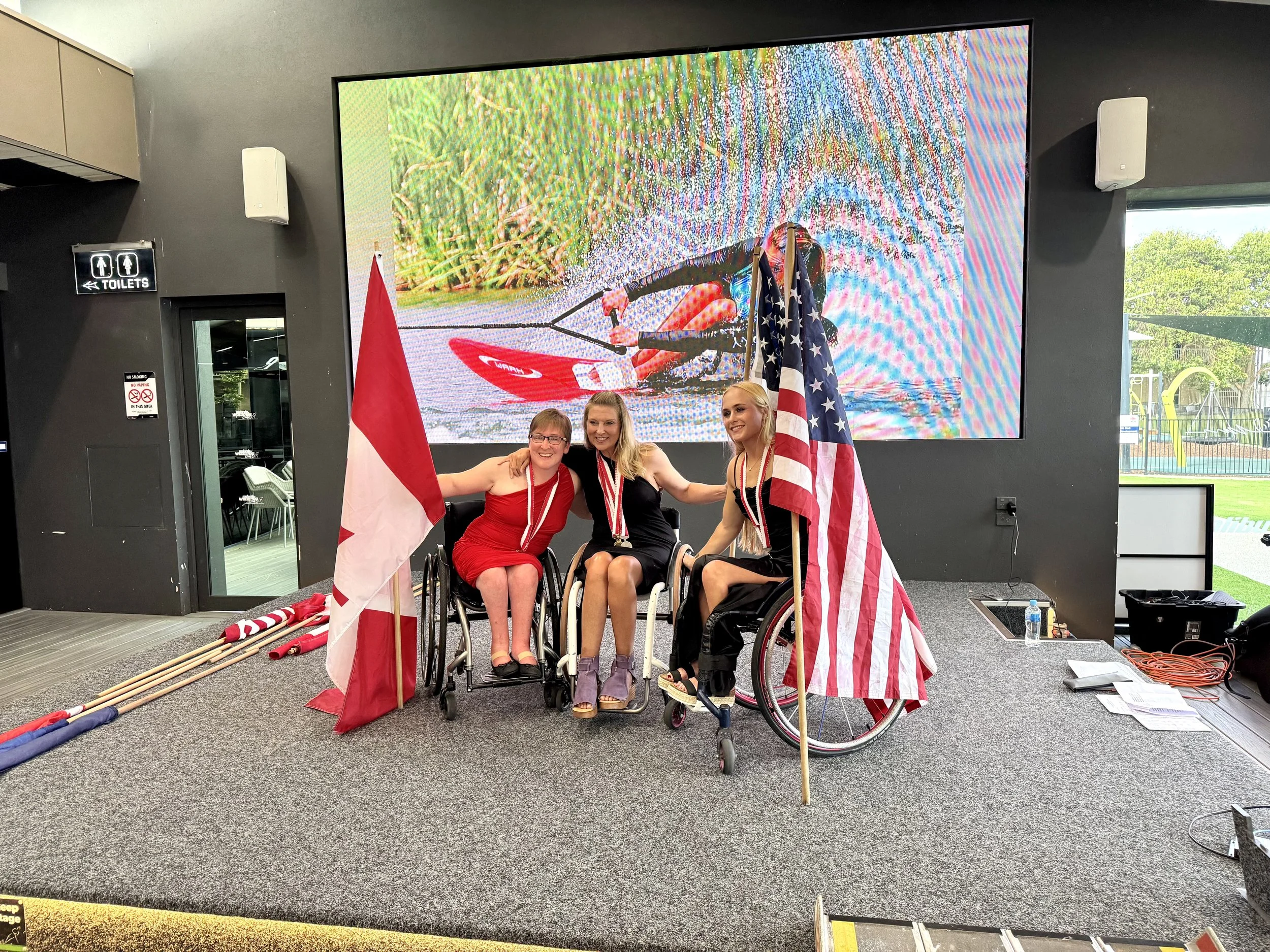
From Last Place to World Champion in 14 Months — Here’s the Part People Miss
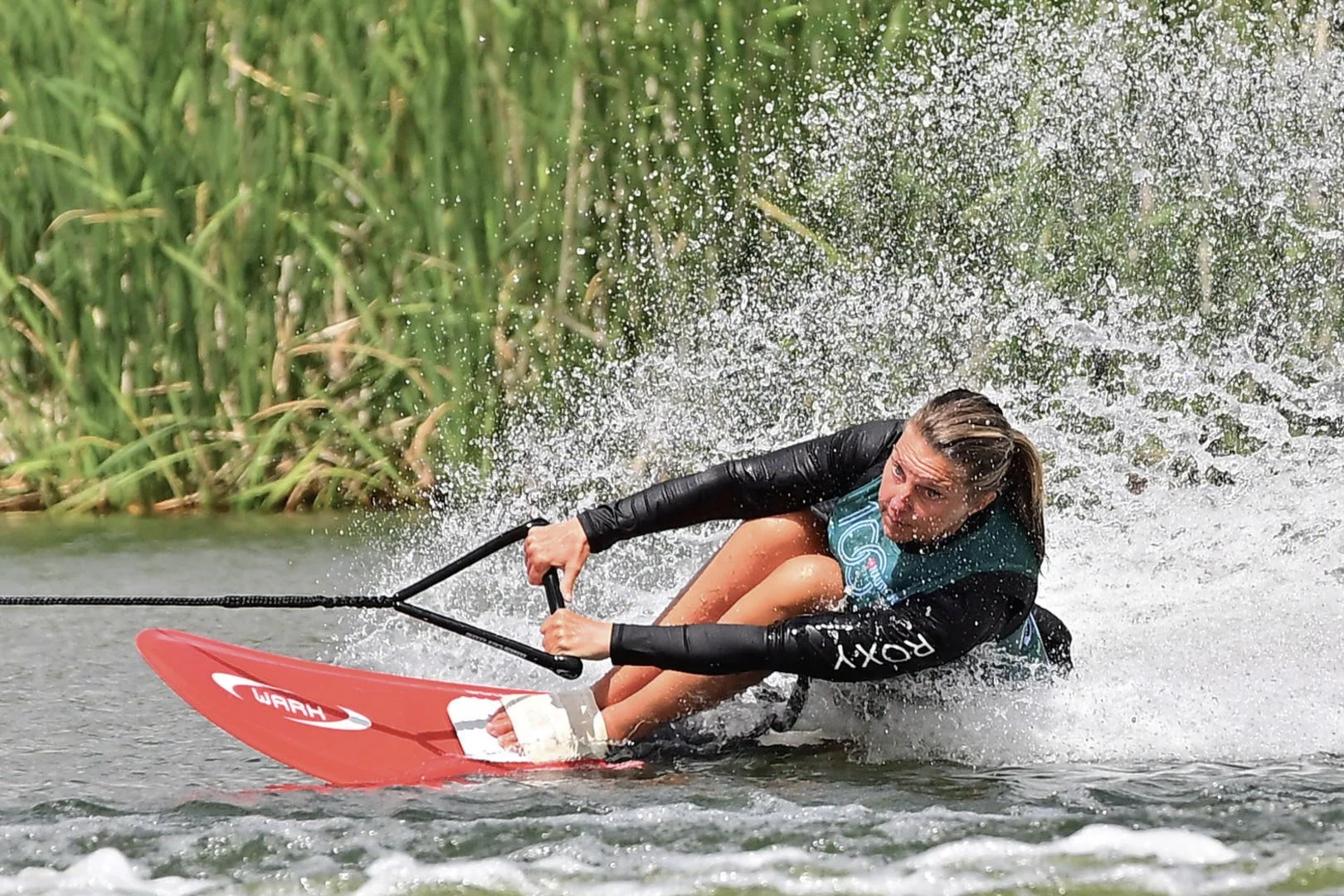
In September 2024, at 49 years old, Jana entered her very first adaptive water ski competition.
She had been paralyzed for over three decades. She had won Paralympic gold. She had competed on the world stage in basketball. And she had never, not once, competed in adaptive water skiing.
She finished last. Not a close last. Last
You’re Not Stuck. You’re Just Telling Yourself aStory That Says You Are.
“You’re not stuck. You’re telling yourself a story that says you are. And the story feels so true that you’ve stopped looking for the exit.”
That usually lands somewhere uncomfortable. Which means it’s usually right.
Every belief you hold about yourself and your life started as a sentence. Someone said it out loud — a parent, a teacher, a coach, a friend, an enemy — or you said it to yourself in a moment of pain or disappointment or fear. And somewhere along the way, you stopped questioning it and started living it.
The Night Jana Wrote Four Words That Changed Her Whole Life
On May 23rd, 1990, Jana was a teenager living a full, active life in rural Kansas when a car accident changed everything in an instant. She was paralyzed from the chest down. At 15 years old, in a moment she didn’t choose and couldn’t have prepared for, the life she had known was completely rearranged.
For weeks, Jana was somewhere in that mix. Fifteen years old. Trying to make sense of something that didn’t make sense. And every night, she cried herself to sleep.
Every night. Until one night she didn’t.

Gratitude Isn’t a Buzzword. Here’s What It ActuallyDoes to Your Brain.
We know, we know. You've heard "just be grateful." But what if gratitude wasn't a feeling you waited for — what if it was a switch you could flip? Turns out, there's a lot of research on exactly that.

Why Writing by Hand Does Something Typing Never Will
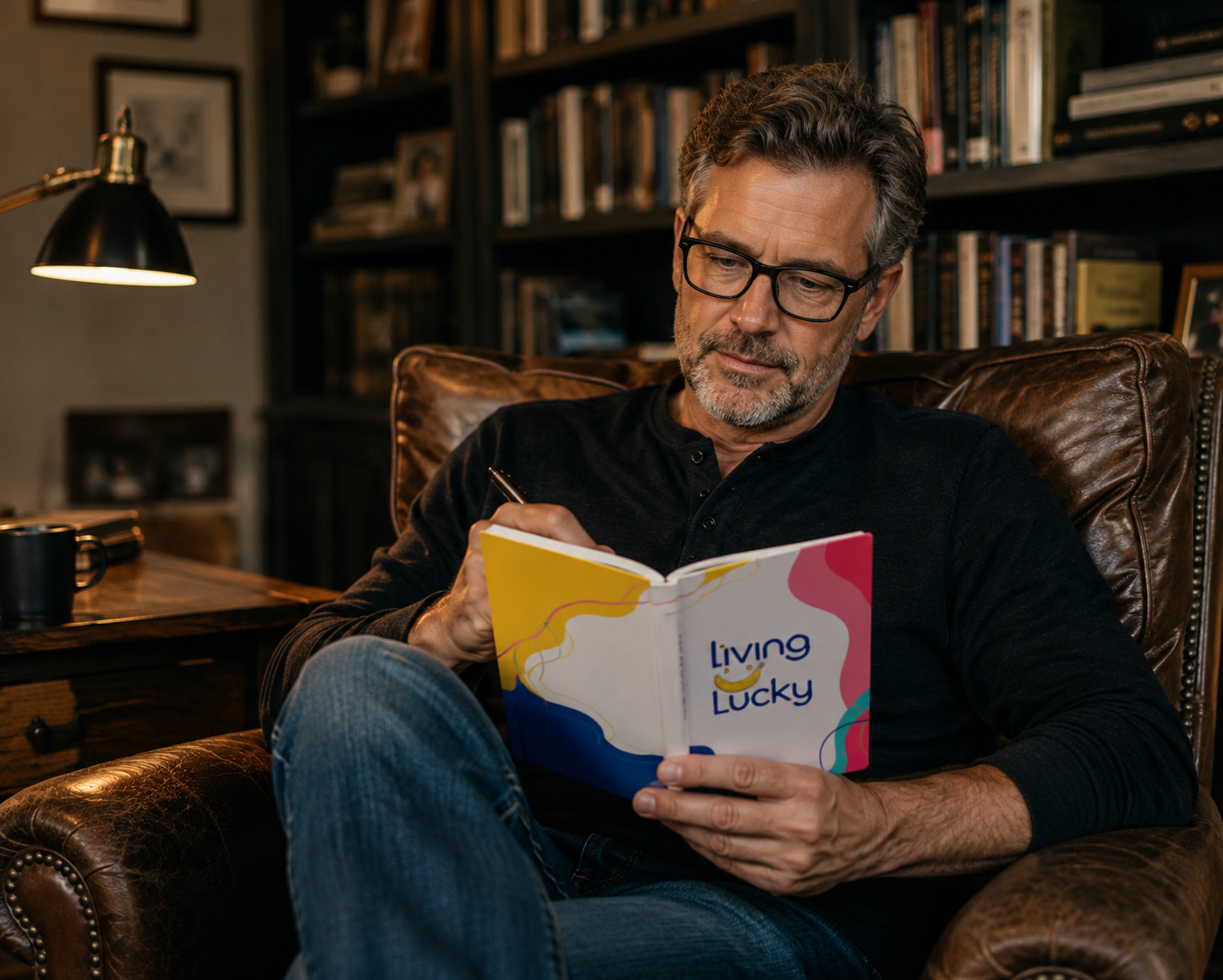
You could type your thoughts. You could voice-memo them. But when your hand moves across a page and forms a word, something different happens in your brain. Science has a name for it. We just call it feeling it.

Your Brain Is Listening To Every Question You Ask It
There's a part of your brain — about the size of your little finger — that decides what you notice, what you miss, and what you attract. And you've been programming it your whole life. The question is: what have you been telling it to look for?